Cyclic Peptide Overview
Oxytocin is a synthetic cyclic nonapeptide featuring a disulfide bond between cysteine residues at positions 1 and 6. This research-grade compound is widely used in laboratory studies investigating neurohypophysial signaling, social behavior mechanisms, and reproductive physiology.
Functional Research Applications
In in vitro models, OXYTNP supports research on receptor-ligand interactions, peptide-mediated signal transduction, and structure-function relationships of neuropeptides. Its defined molecular structure enables reproducible experimental outcomes in cellular and biochemical assays.
Stability and Laboratory Handling
Supplied as a white lyophilized powder, Oxytocin demonstrates stability under recommended storage conditions and is readily soluble in water, DMSO, or ethanol. Its formulation supports extended experimental timelines without compromising activity.
Manufacturing & Quality Assurance
Produced in the United States under GMP-compliant, pharmaceutical-grade standards, each batch undergoes third-party verification for identity, purity, sterility, and endotoxin levels. High analytical standards ensure reliability across research applications.
Technical Specifications
-
Sequence: Cys-Tyr-Ile-Gln-Asn-Cys-Pro-Leu-Gly-NH₂ (disulfide: Cys1–Cys6)
-
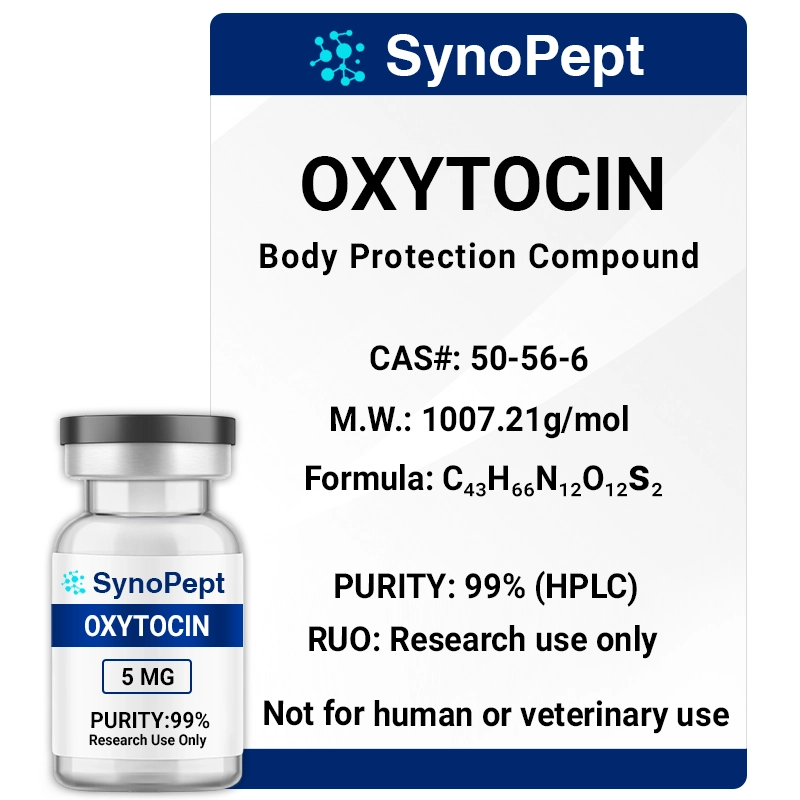
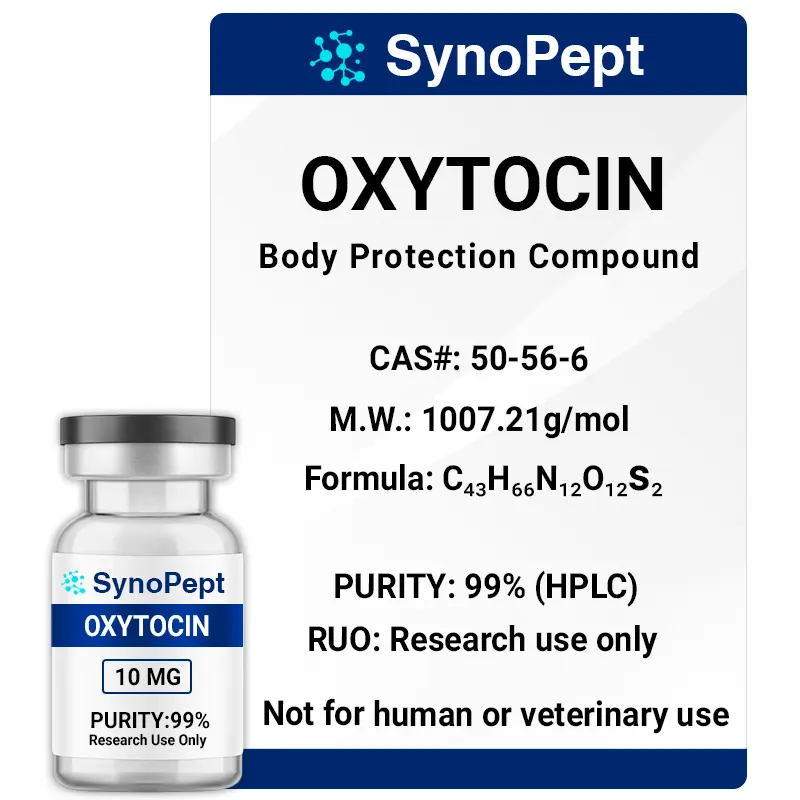
Molecular Formula: C43H66N12O12S2
-
Molecular Weight: 1007.21 g/mol
-
CAS Number: 50-56-6
-
PubChem CID: 439302
-
Synonyms: α-Hypophamine, Oxytocic hormone, Pitocin, Syntocinon
-
Purity: ≥98.5% (HPLC)
-
Solubility: Water, DMSO, ethanol
-
Storage: −20°C, sealed, protected from heat and moisture
-
Shelf Life: 36 months under recommended storage conditions
Research-Only Designation
OXYTNP is provided strictly for in vitro research use only (RUO). It is not intended for human or animal consumption, therapeutic application, or diagnostic use.